Join Our FacebookGroup & Get Extra Discount!ContactBlog

news
Microcosm Engine Model
Microcosm Engine Model
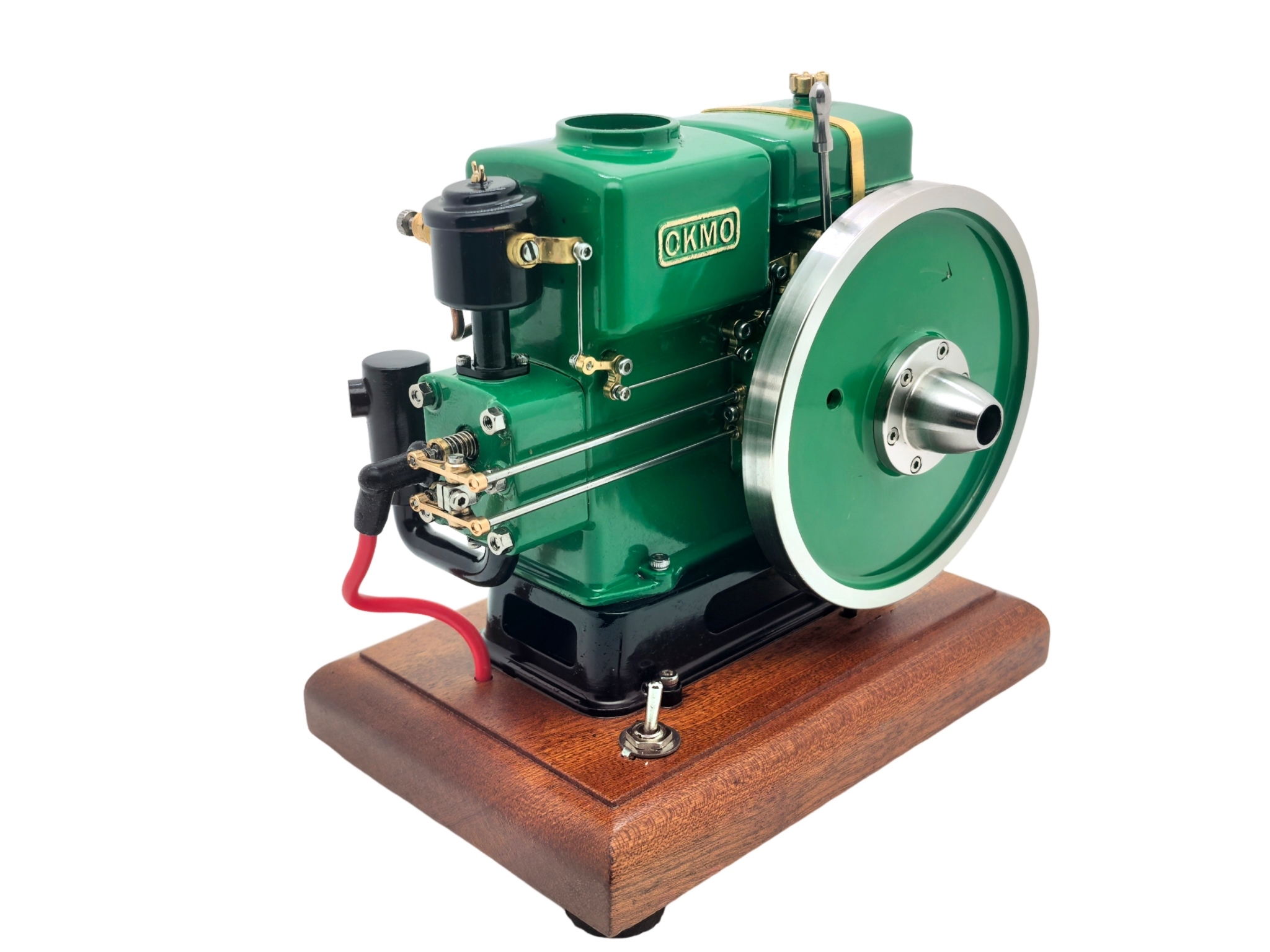
The microcosm engine model is a miniature version of a steam engine and showcases many of the same design features as a full-sized engine.microcosm engine model It uses liquid alcohol as fuel, and is a fun project for the entire family to work on. It is a great way to introduce children to mechanical engineering and the principles of engineering science. It also helps develop fine motor skills as they use tools to construct the engine.
The ability of different aerobic groundwater microorganisms to cometabolically degrade trichloroethylene (TCE), 1,2-cis-dichloroethylene (c-DCE), and 1,2-trans-dichloroethylene (t-DCE) was evaluated in batch microcosms constructed from aquifer sediments and in situ in a shallow aquifer.microcosm engine model In the microcosms, the use of isobutane as a biostimulant and 21198 for bioaugmentation resulted in transformation rates that approached those achieved in aquifer sediments. The results indicate that the microorganisms in the aquifer are capable of both transforming and mineralizing TCE and c-DCE and t-DCE, but that this process is slow. 13C labeled isobutane was used to monitor the rate of biomineralization and to determine the extent of carbon storage by the microorganisms.
Biologically degradable TCE is released as volatile organic compounds in the subsurface, which are subsequently emitted into the atmosphere or transported to surface waters.microcosm engine model This degradable TCE may have contributed to the low concentrations of these contaminants in aquifers, but the availability of these volatile organic compounds is not sufficient to explain the complete degradation of TCE in most of the country. The low Y values of the TCE-degrading microorganisms in the aquifer imply that these organisms are unable to utilize dissolved oxygen or the hydrogen atoms from water as energy sources, and must be able to utilize unreacted TCE or nontoxic byproducts.
In a series of outdoor aquatic microcosm experiments conducted over two years, the ecological impacts of the herbicide isoproturon were investigated in lakes and stream habitats. Isoproturon is a diuretic and inhibits the growth of algae, which reduces nutrient loads and protects the ecosystem from excessive eutrophication. In the experimental ponds, isoproturon exhibited first-order kinetics with half-lives ranging from 15 to 35 d.
Competition among trophic groups in freshwater ecosystems is a major force influencing community structure, and small changes in the environment can have profound effects on competitive outcomes. These factors are especially important during the early stages of ecosystem colonization and re-colonization, when the initial species assortment strongly influences competitive outcome. To test this hypothesis, we compared the competitive outcome in Daphnia-Simocephalus experimental microcosms with and without salt additions to assess the interaction of salinity with priority effects (the sequential arrival order of competing species). Salinity significantly altered the competition outcome in several experimental sets, but was less important than the presence of isobutanol. Isobutanol inhibited toluene biodegradation in nitrate amended, sulfate amended and methanogenic enrichment microcosms, indicating that isobutanol affects the composition of toluene degrading consortia. In one set of microcosms, toluene biodegradation was completely inhibited by isobutanol.
Tags:1140 engine
0users like this.
新品




 USD

Your cart is currently empty.